Pipe and drape accessories support the effective use, transport, and stability of professional pipe and drape systems. These components are used alongside uprights, crossbars, and base plates to ensure installations remain secure, adaptable, and efficient in professional event environments.
Pipe and Drape Accessories for Professional Event Systems
Accessories play a supporting role within pipe and drape systems, helping professional users adapt layouts, manage stability, and protect equipment during transport and storage.
What Are Pipe and Drape Accessories?
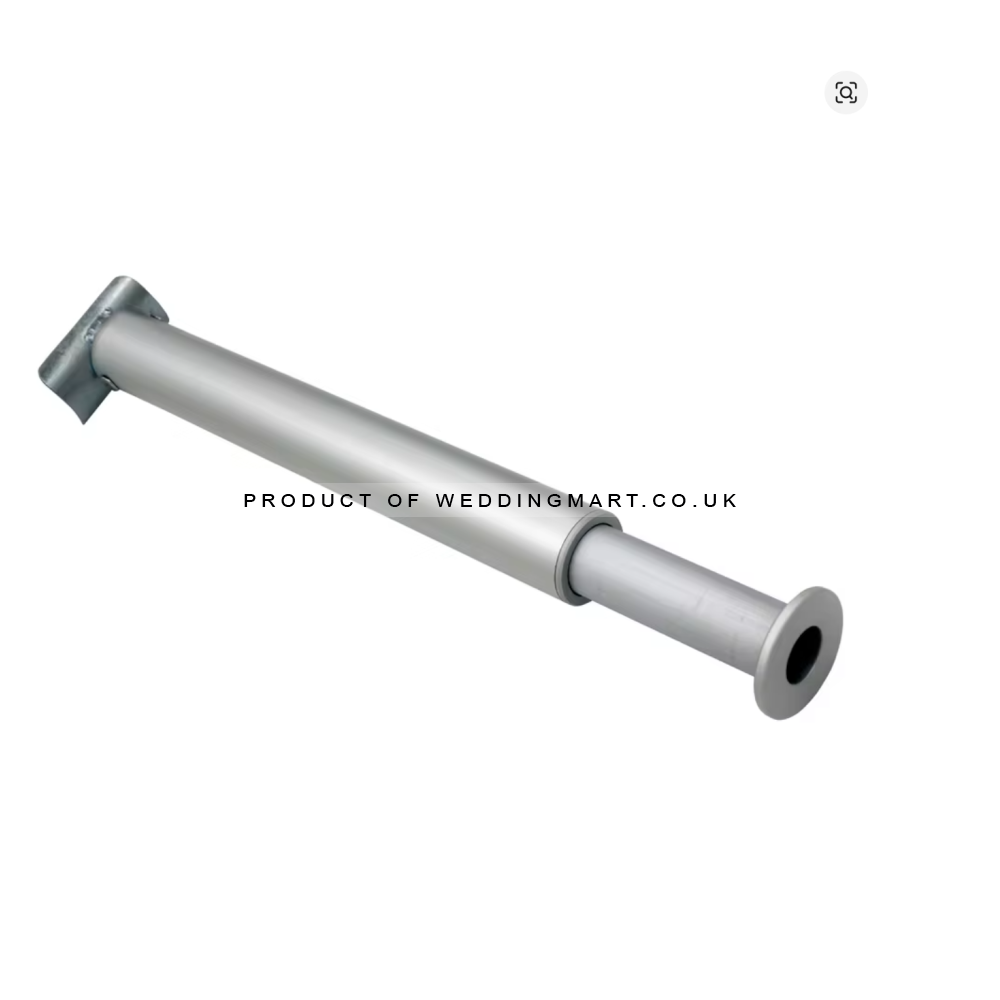
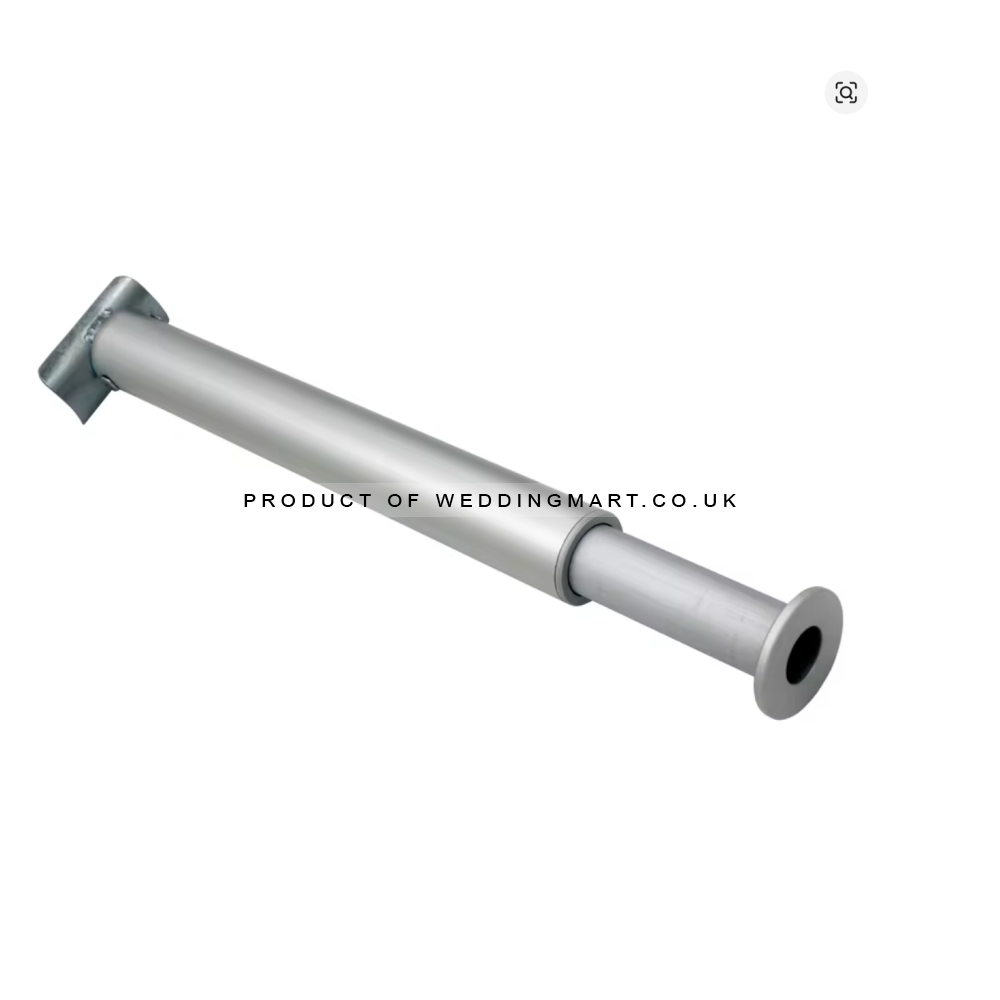
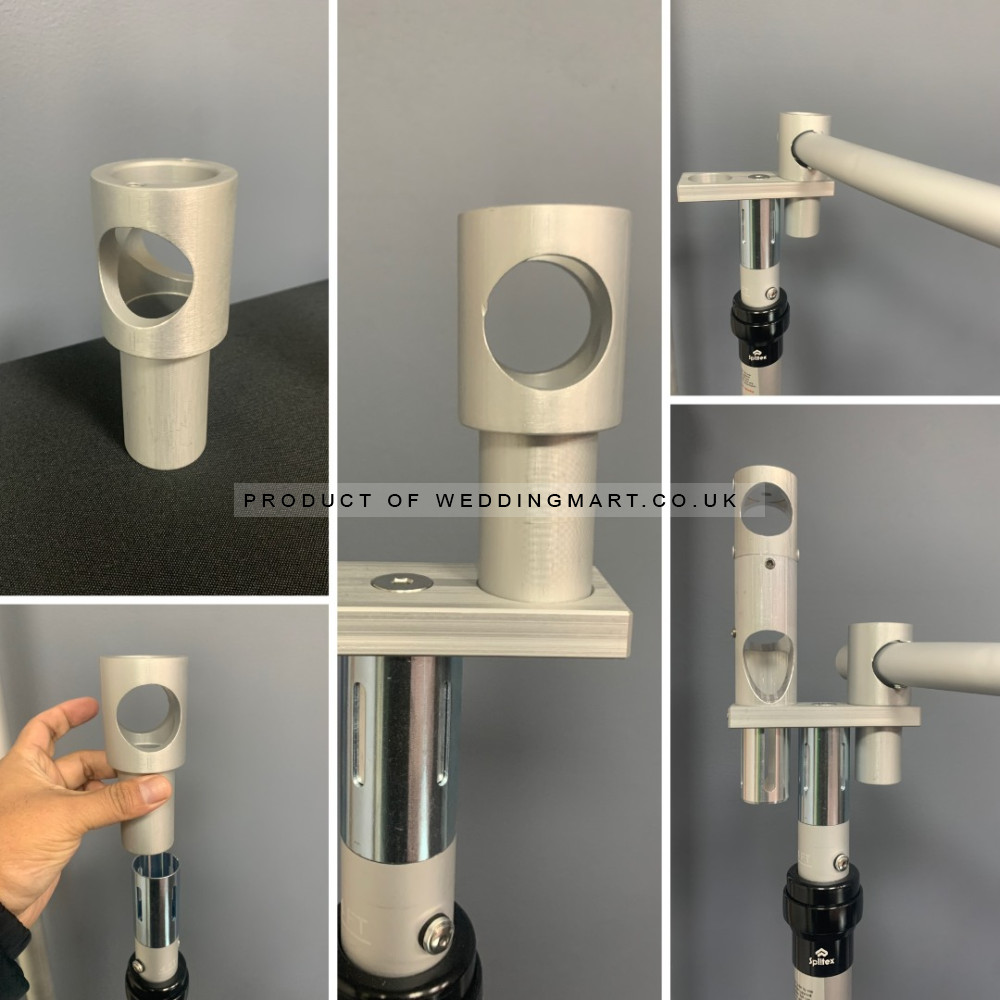
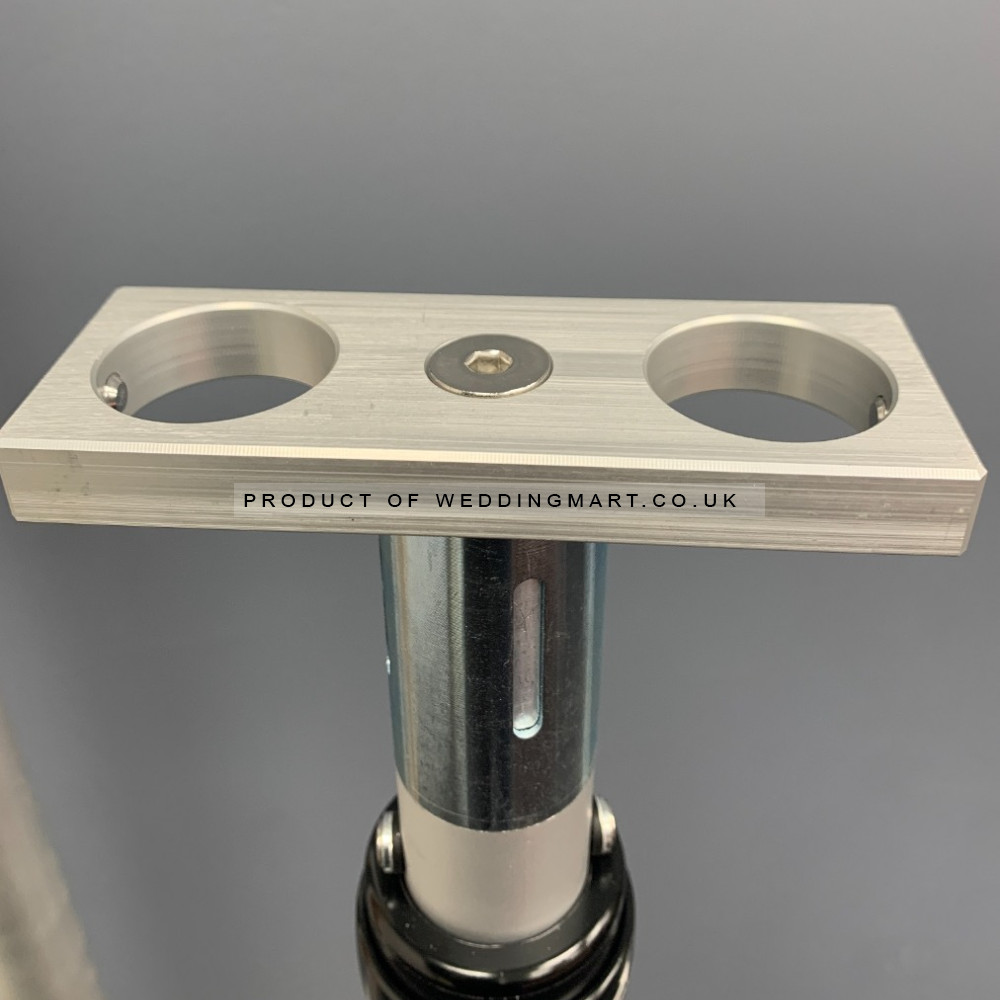
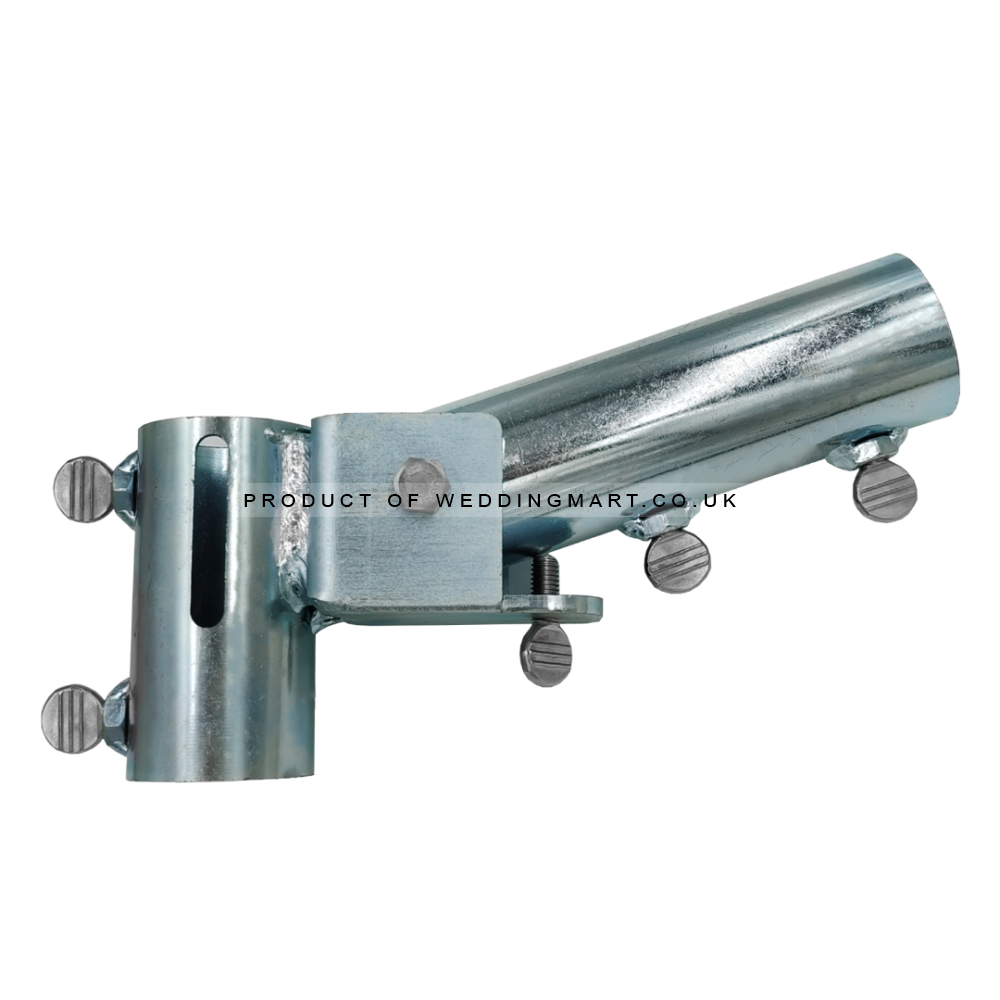
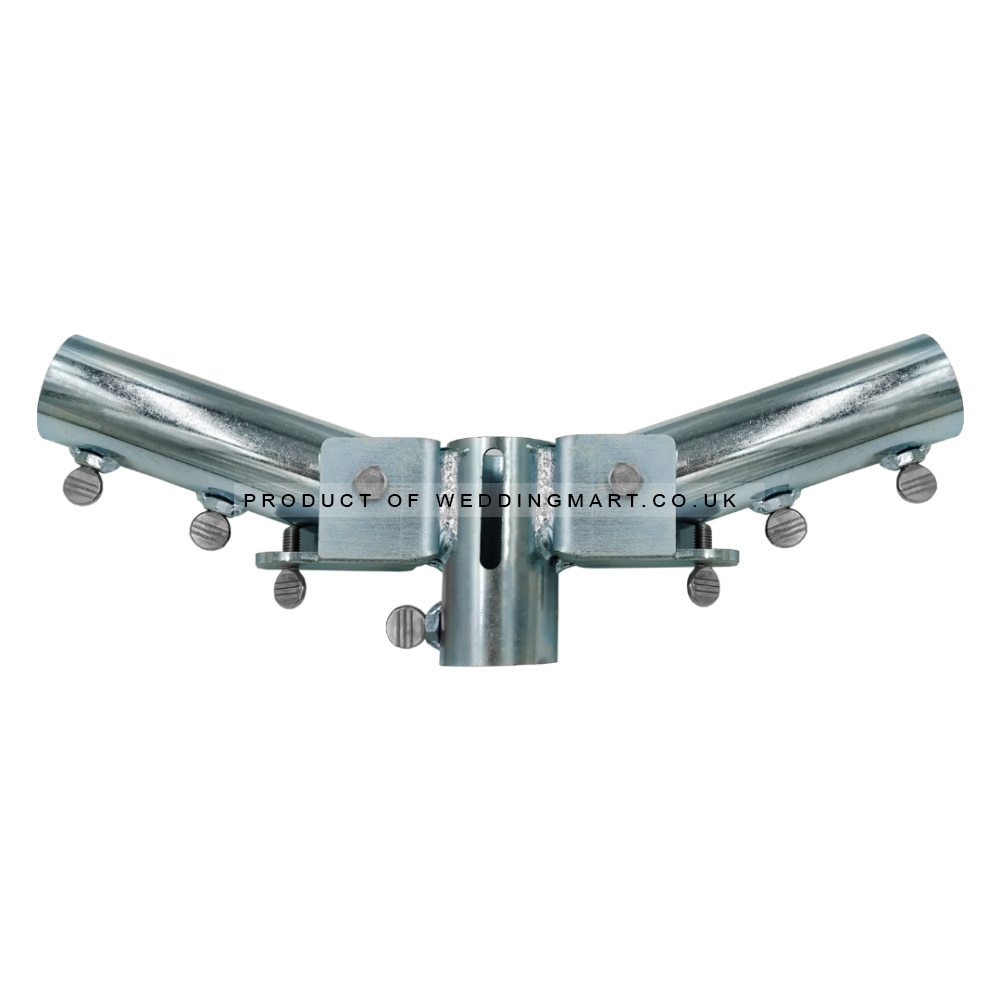
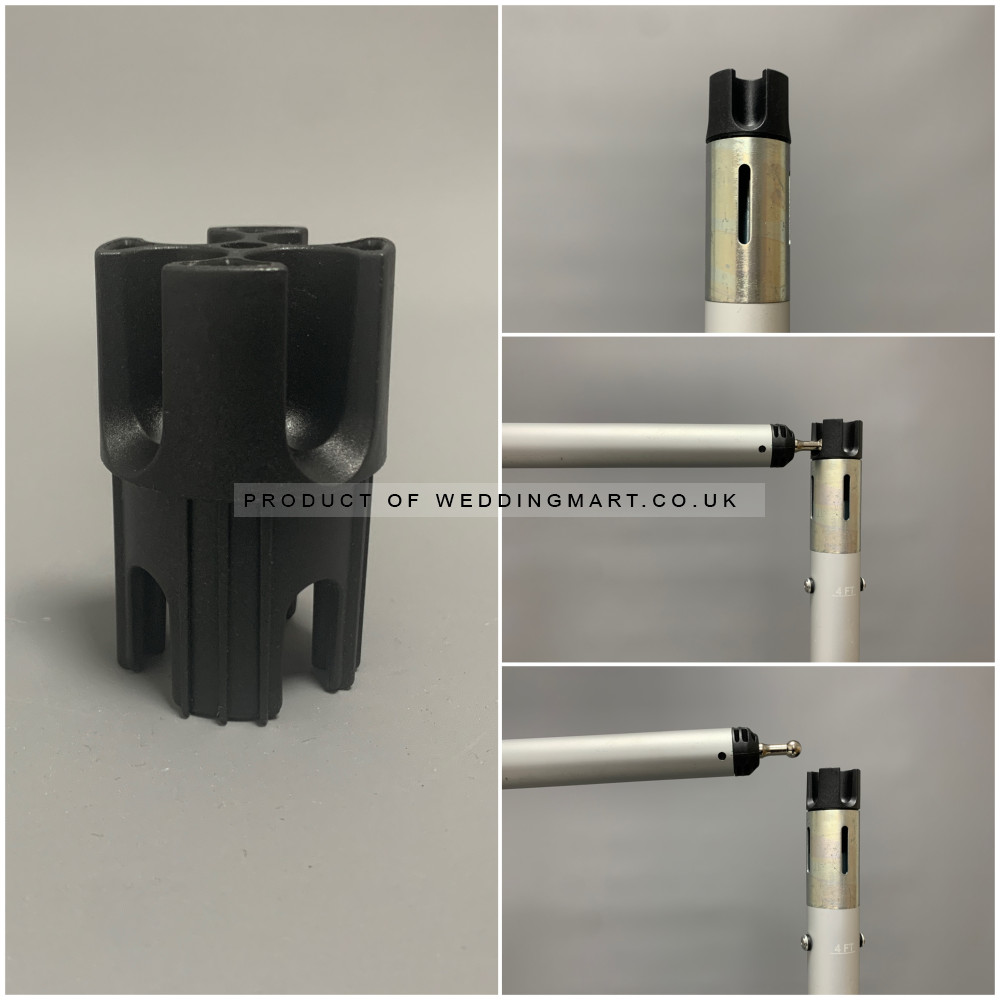
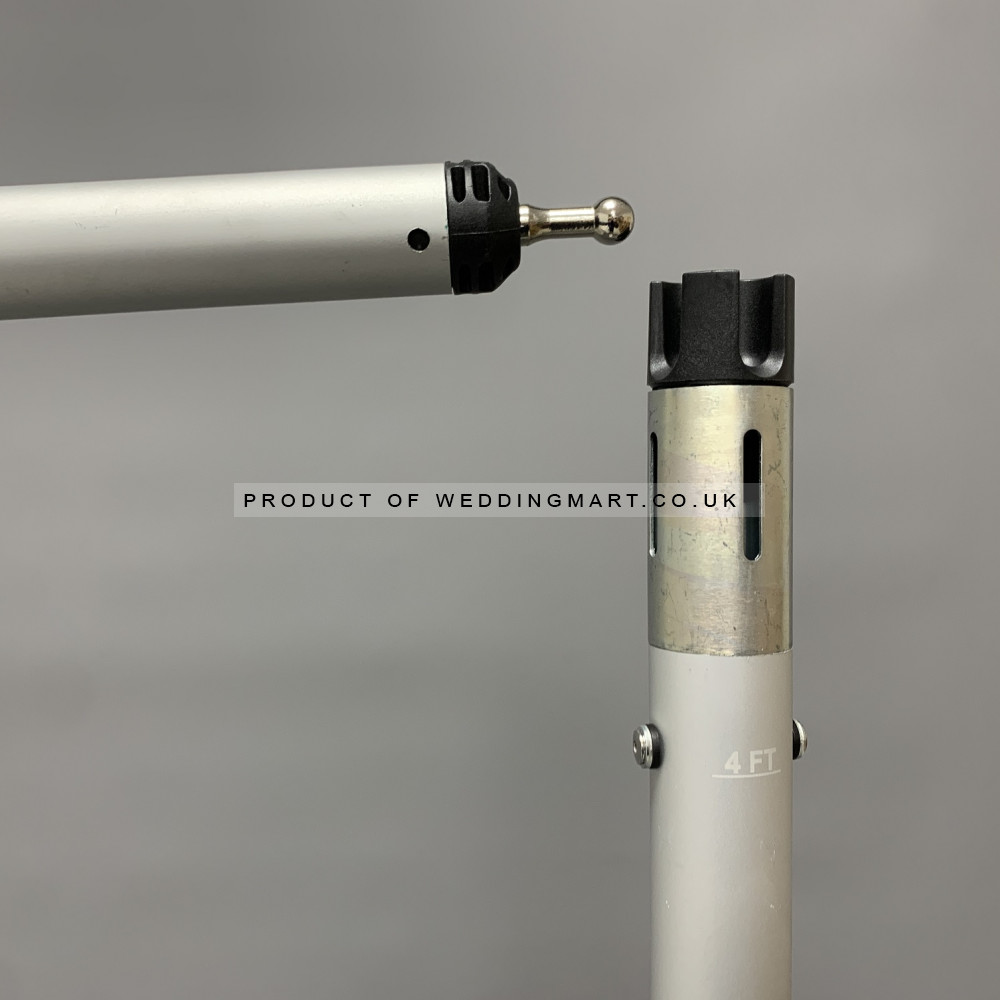
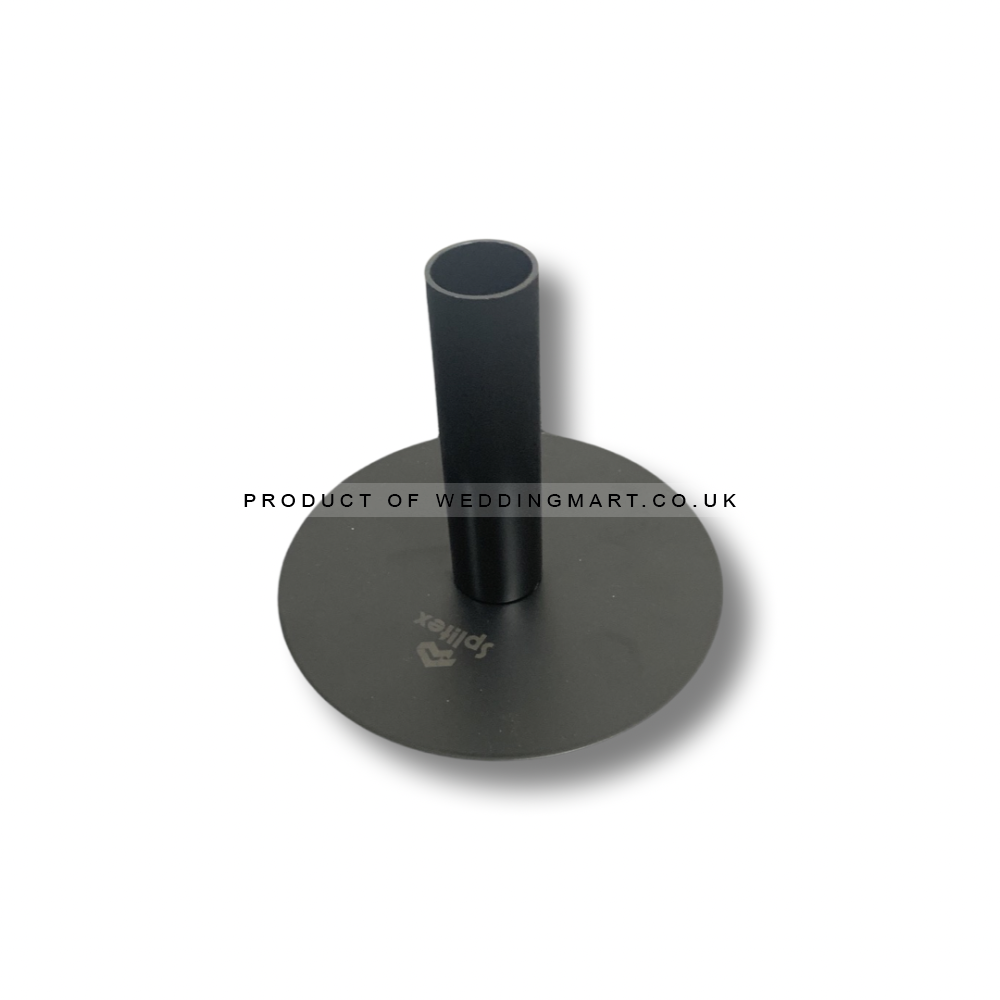
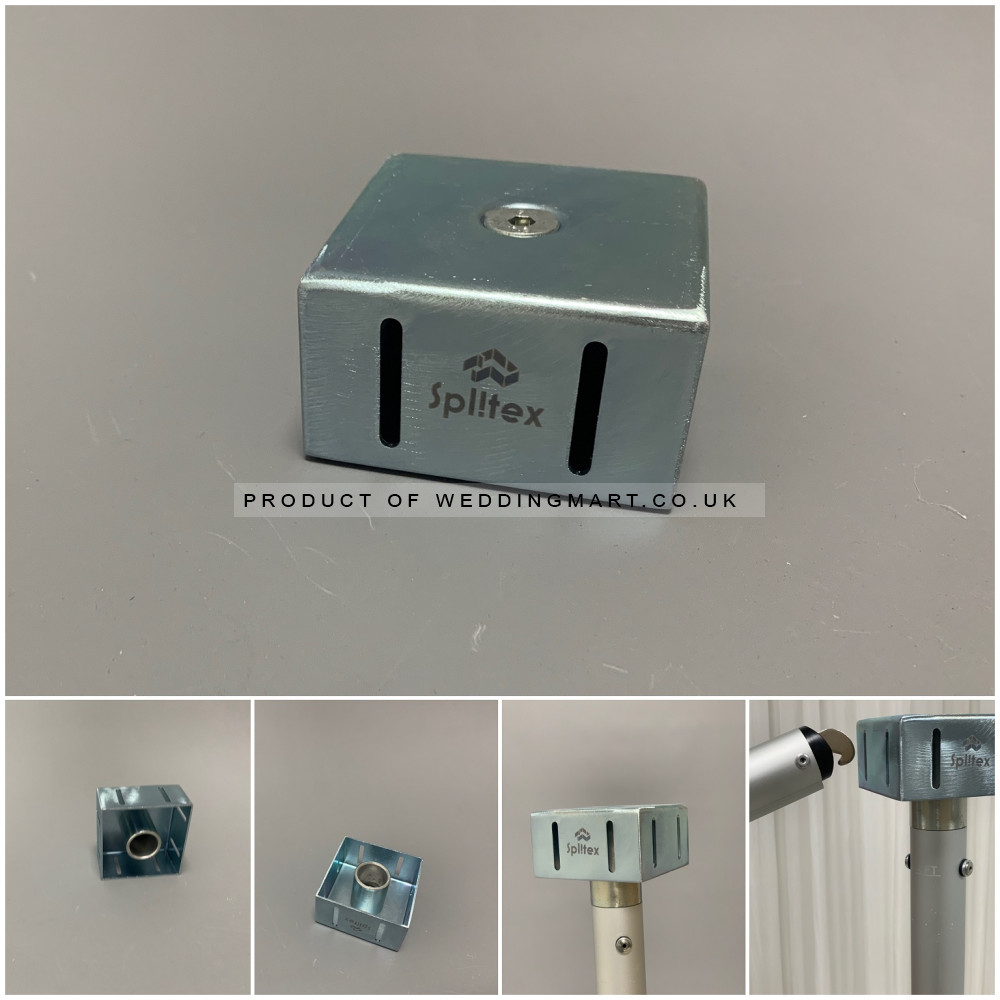
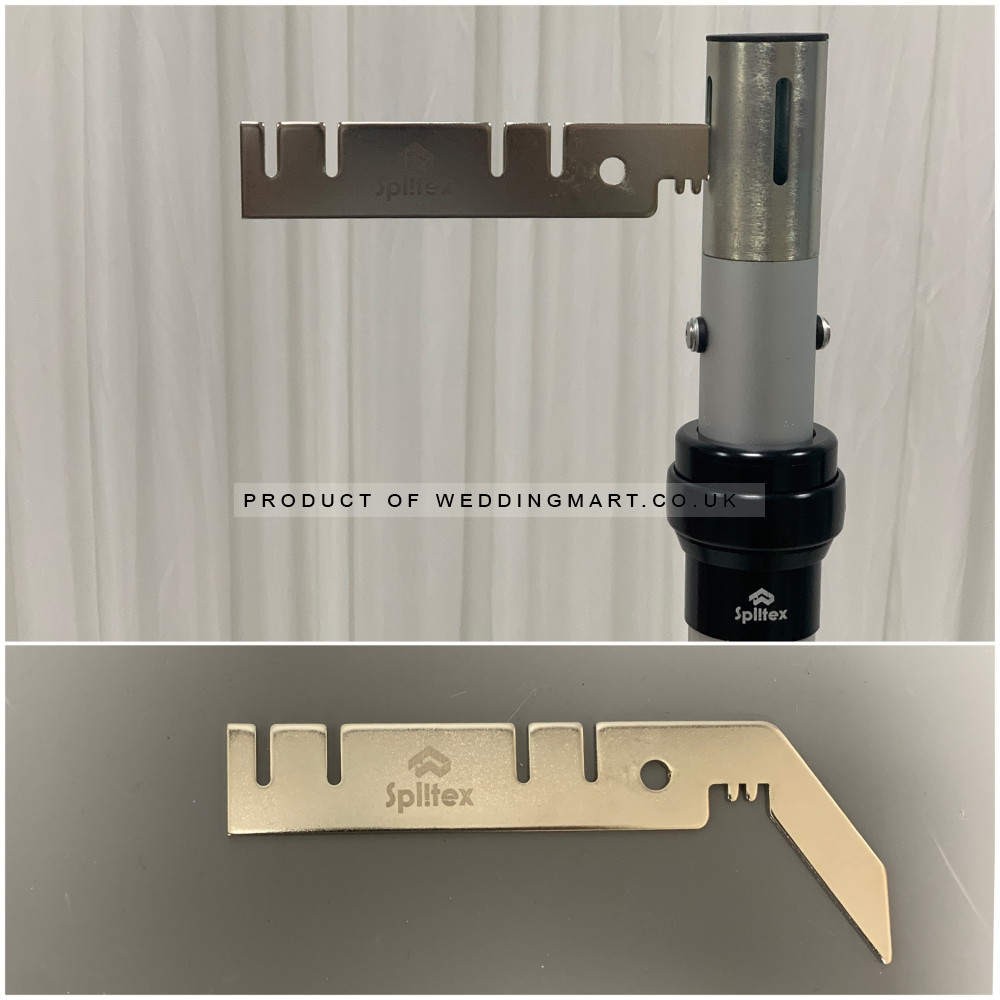
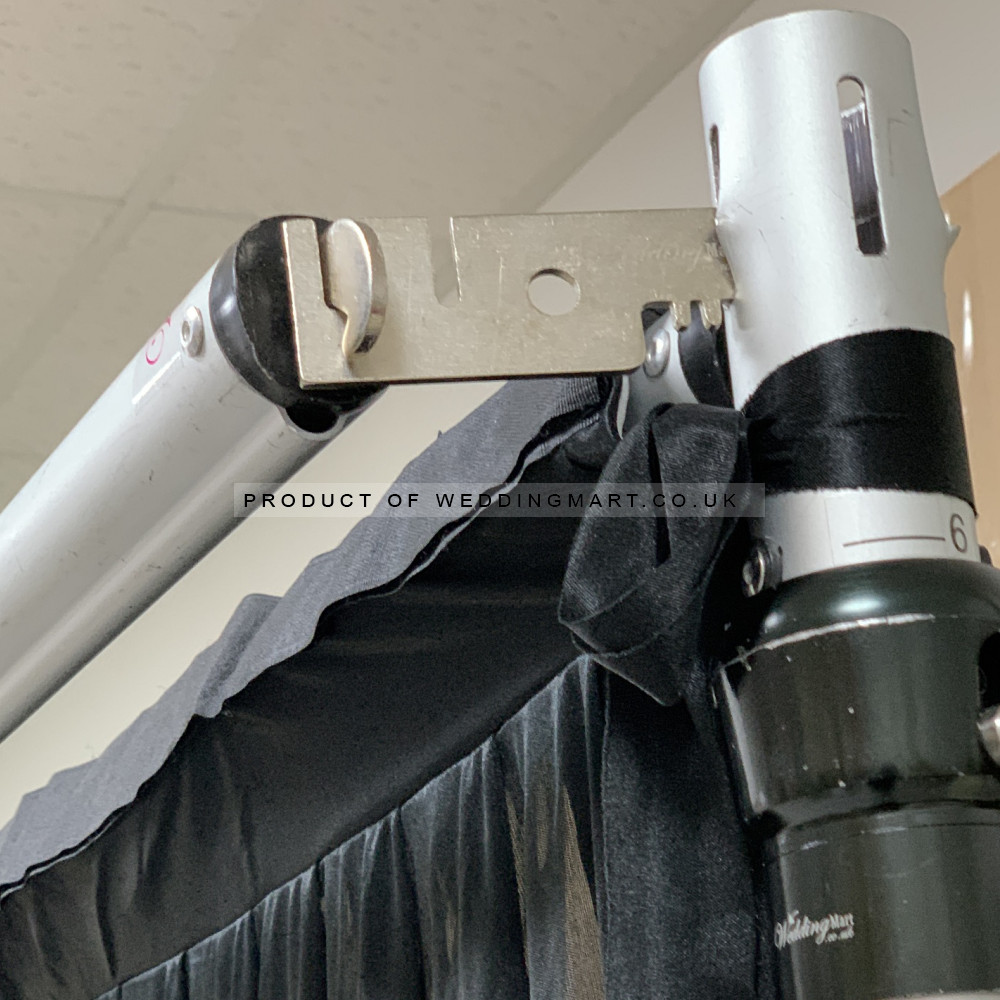
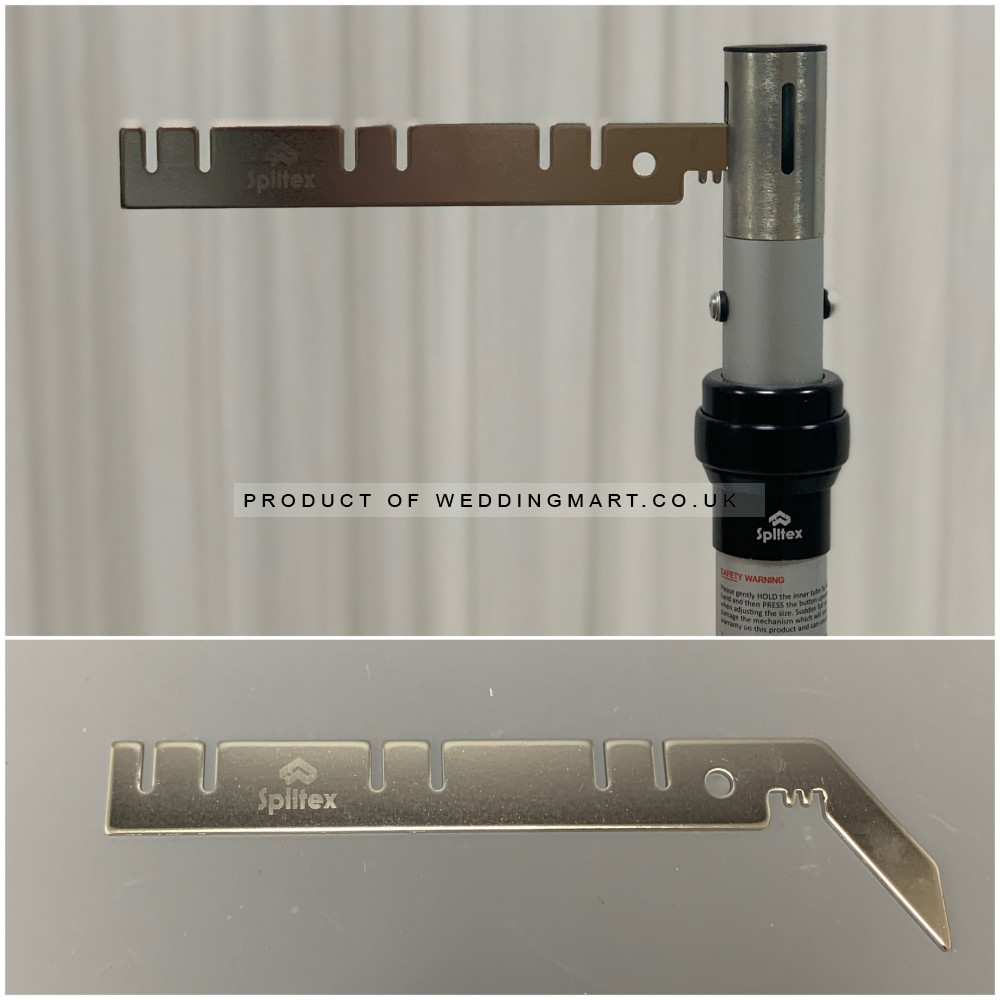
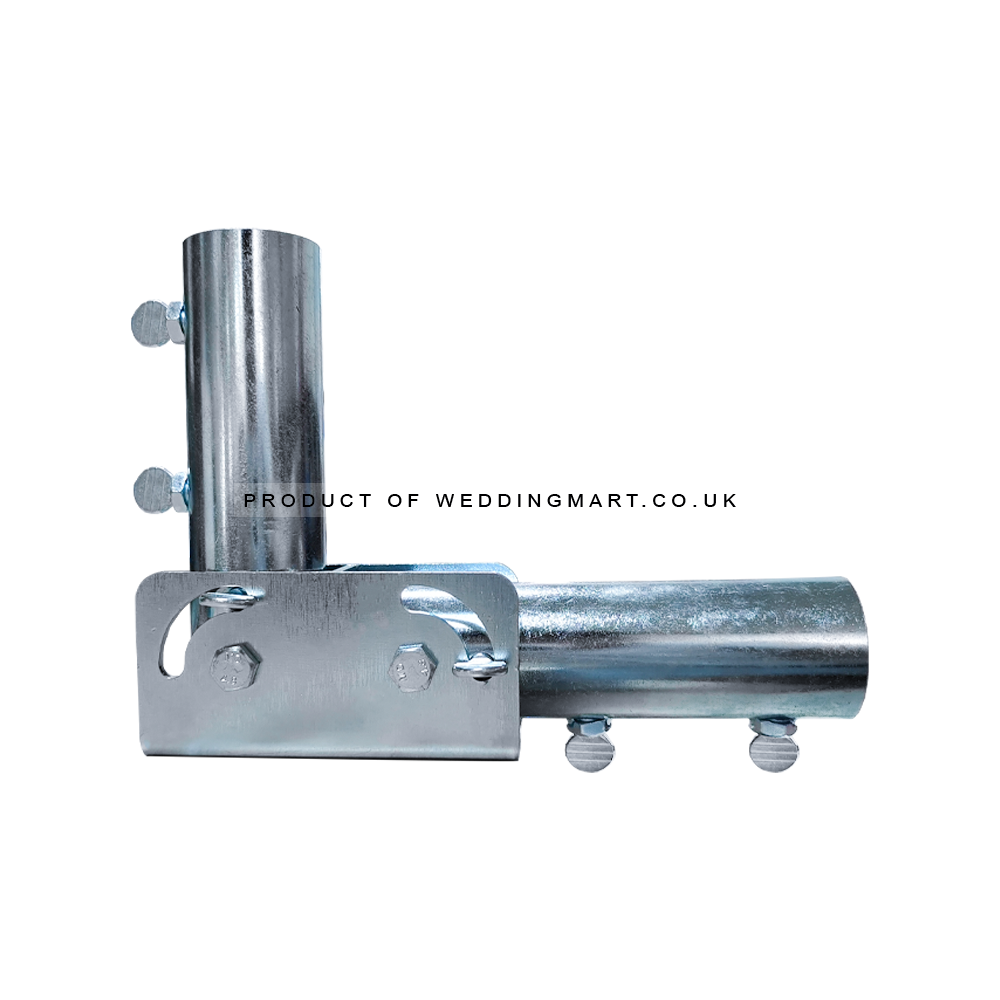
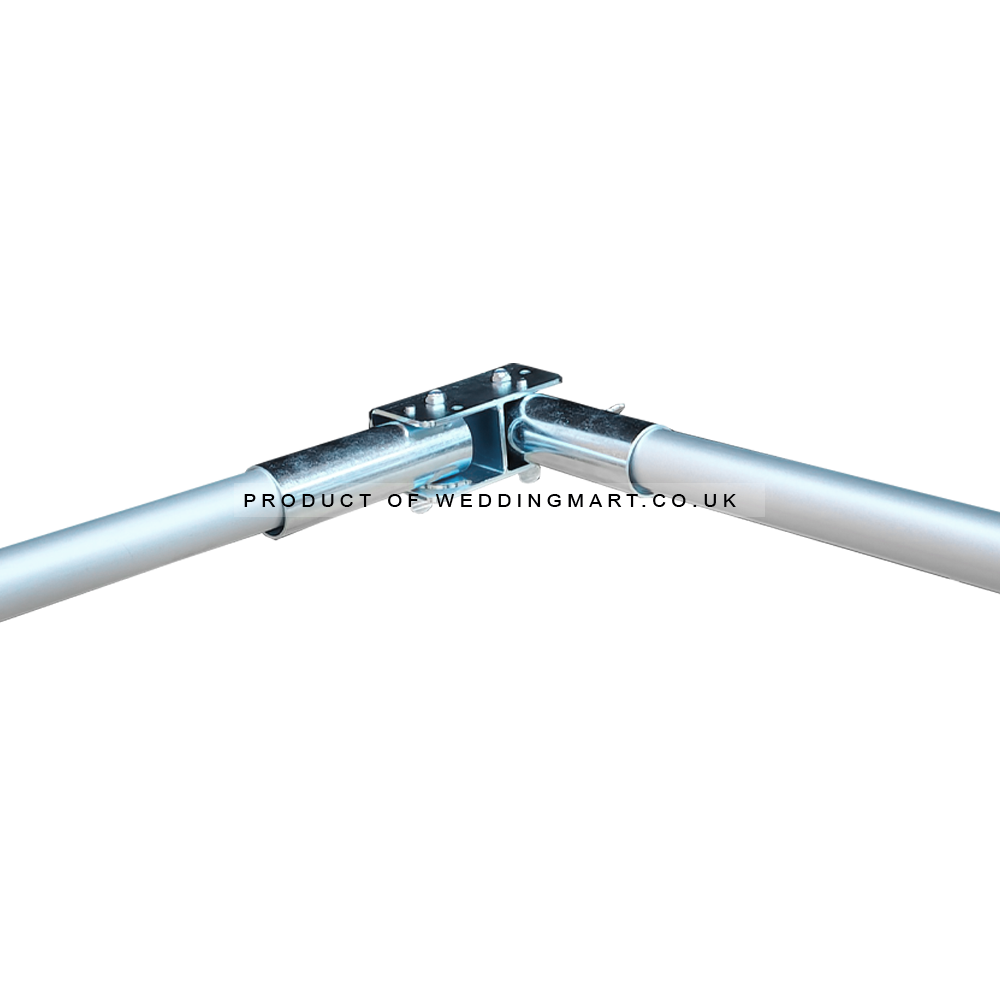
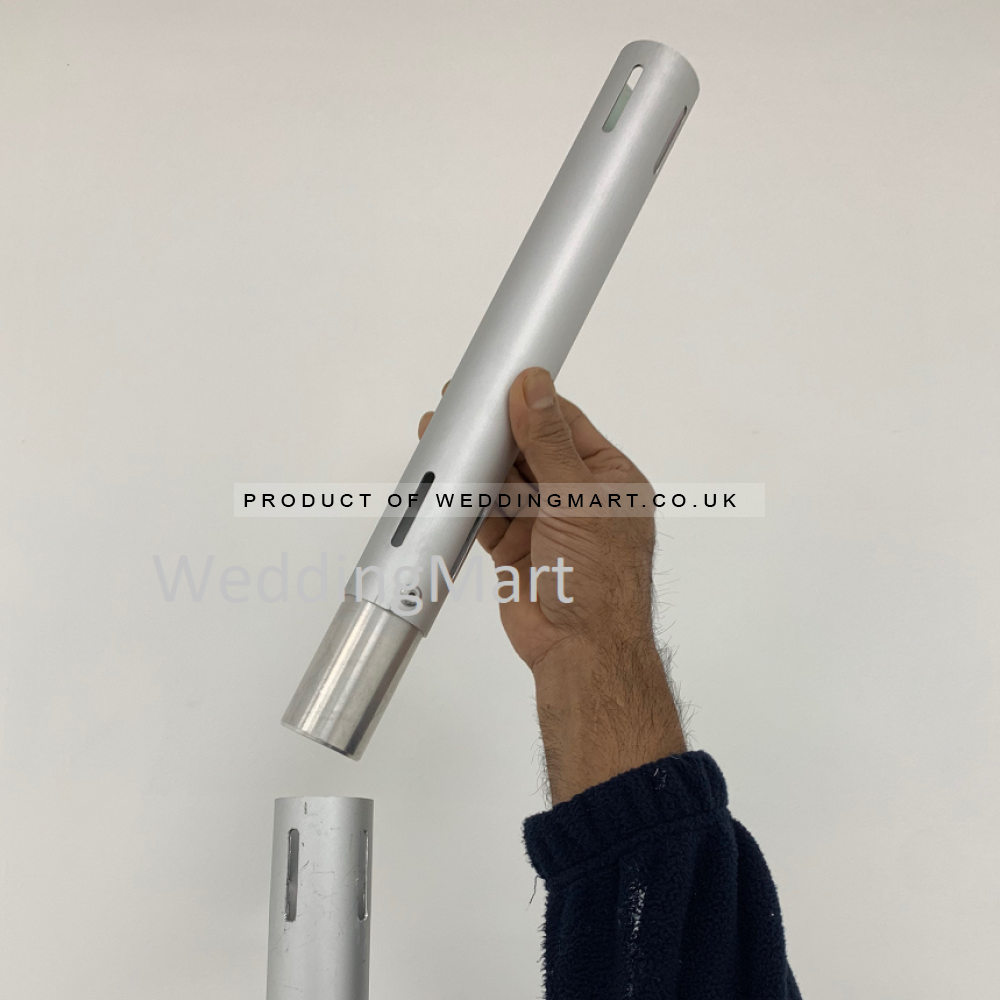
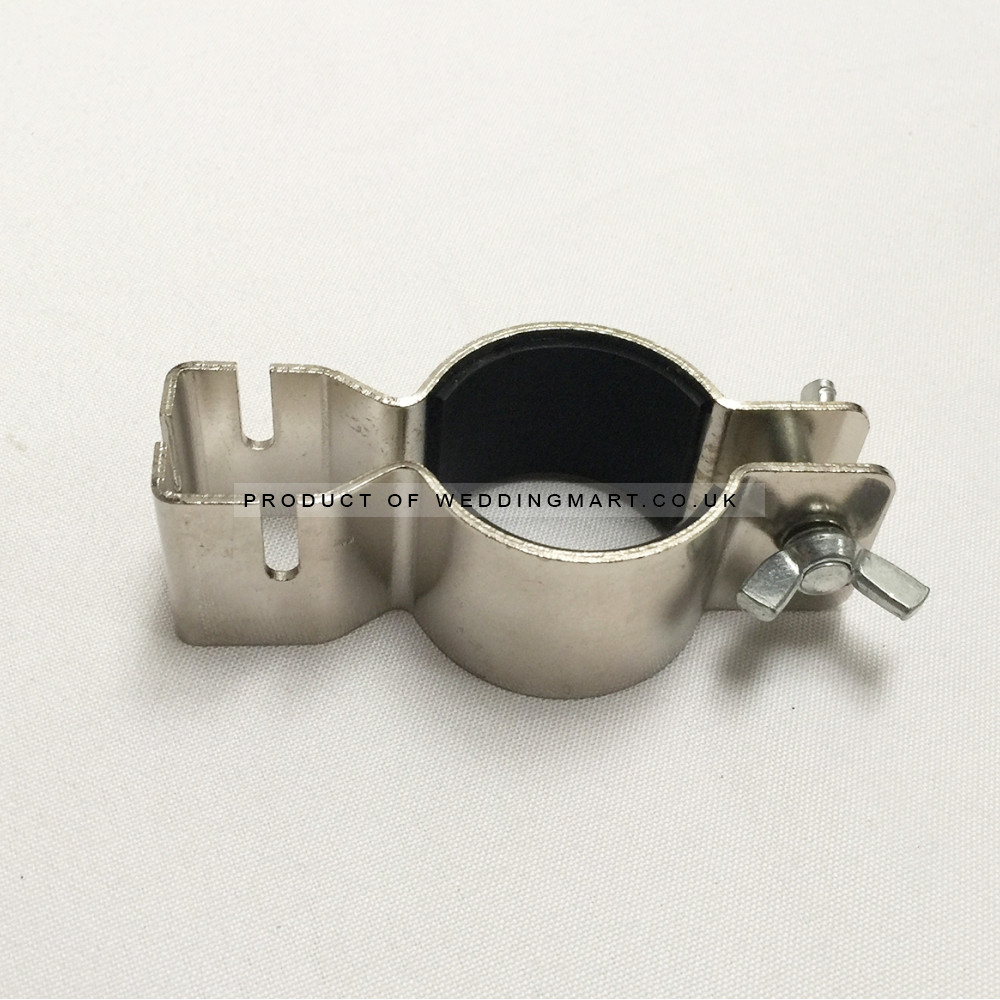
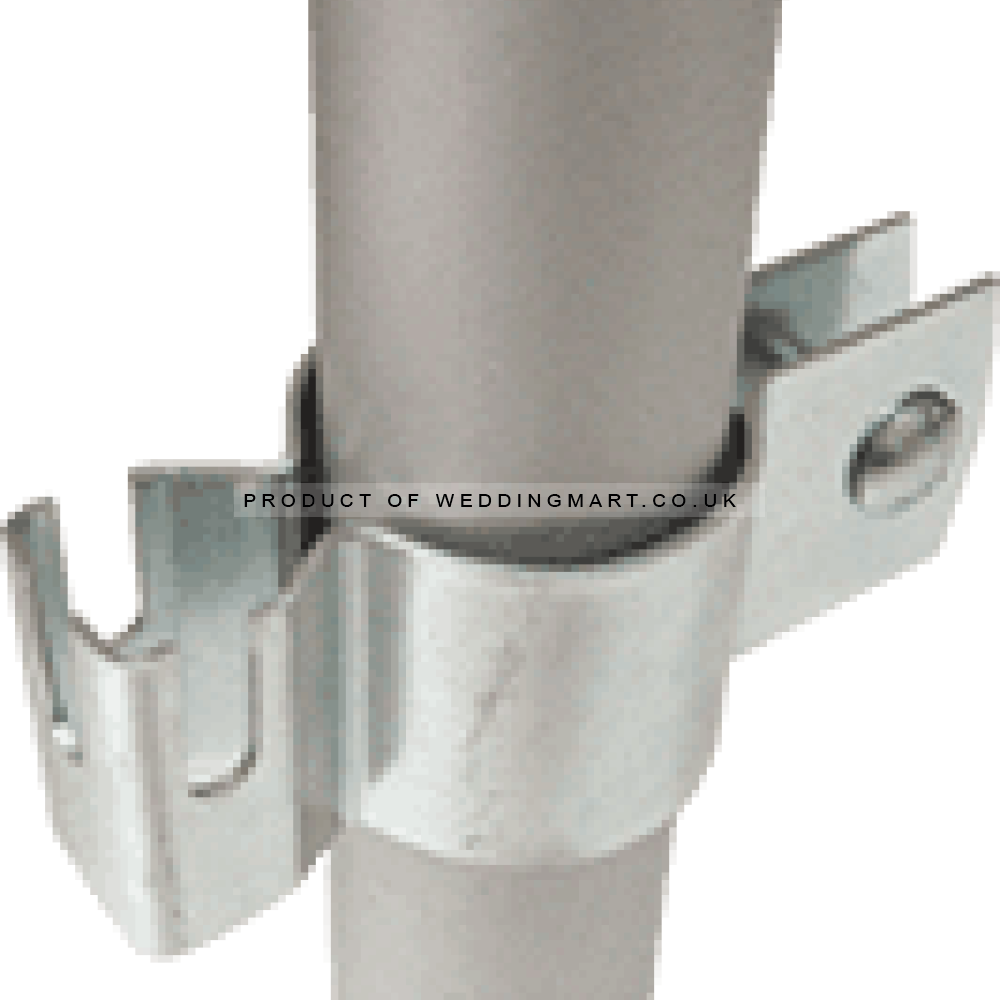
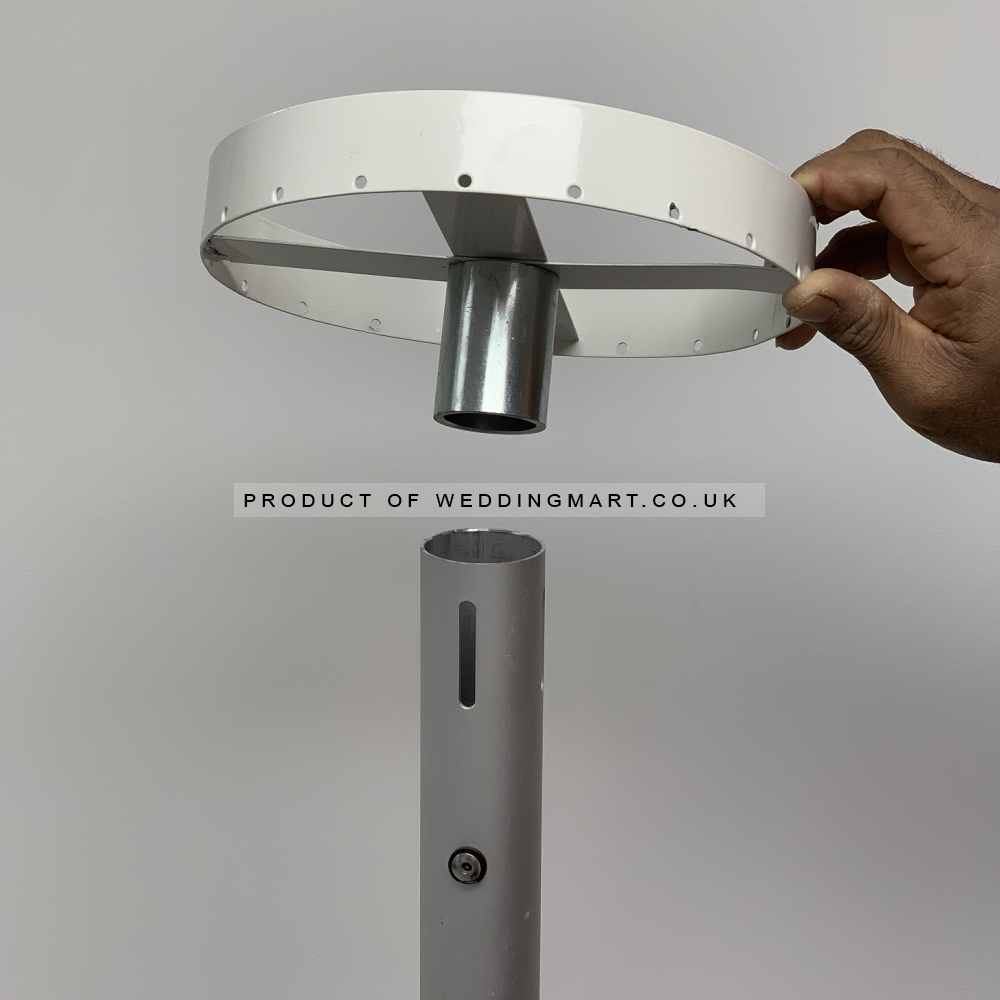
Pipe and drape accessories include a range of fittings, connectors, weights, and handling equipment designed to complement core system components. WeddingMart supplies professional-grade SpliTex accessories compatible with standard pipe and drape systems.
Connectors, Fittings, and Fixings
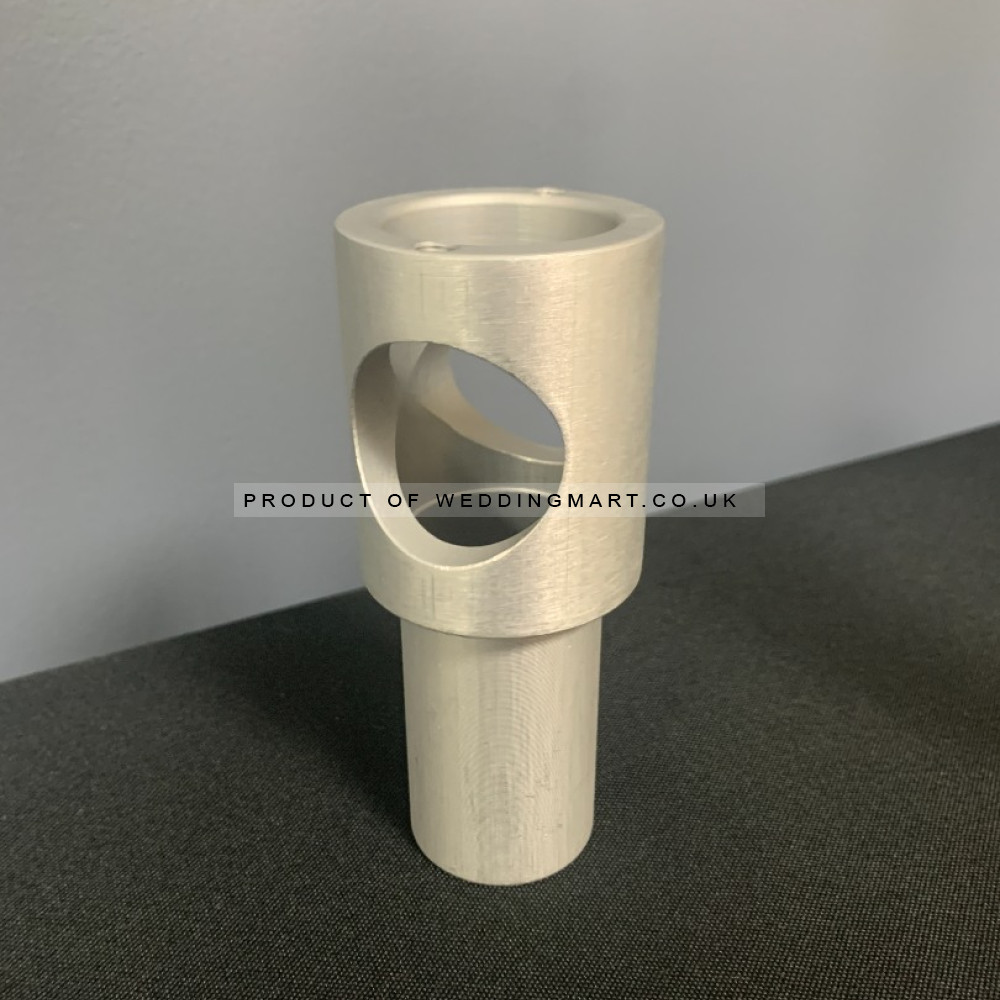
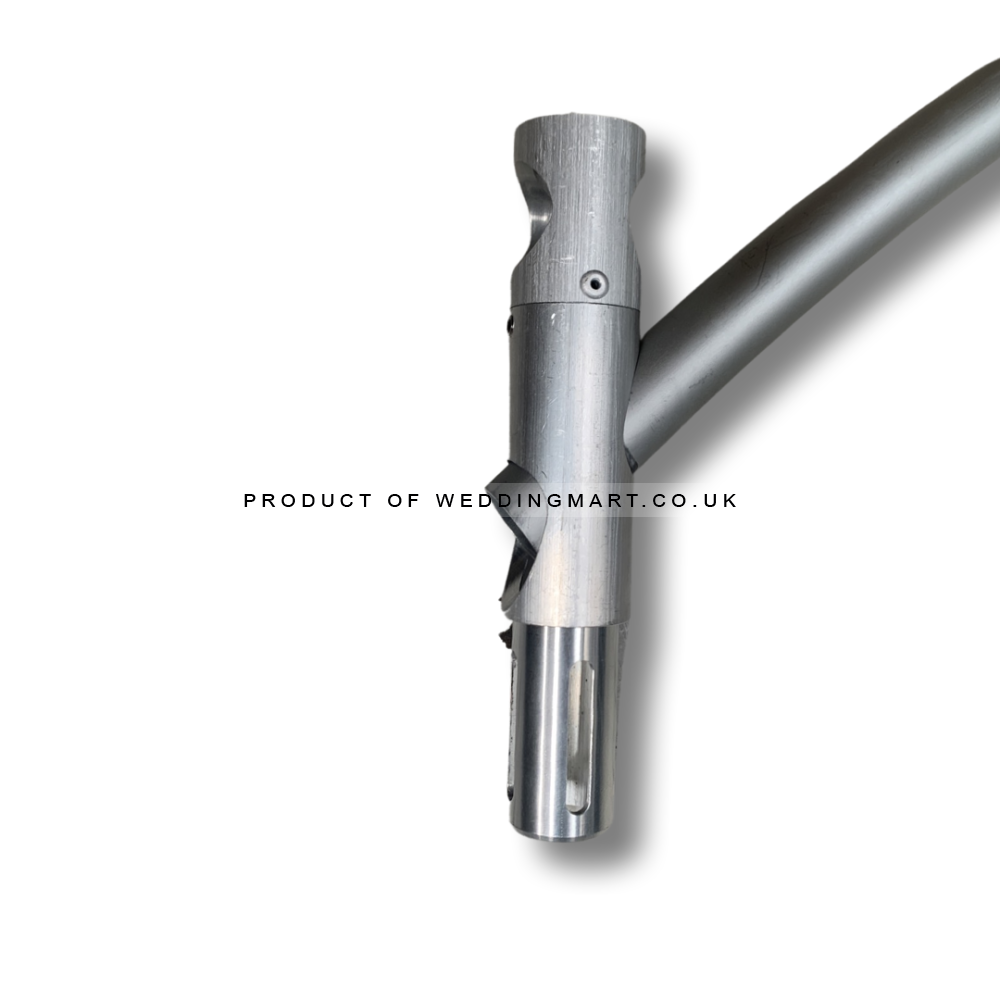
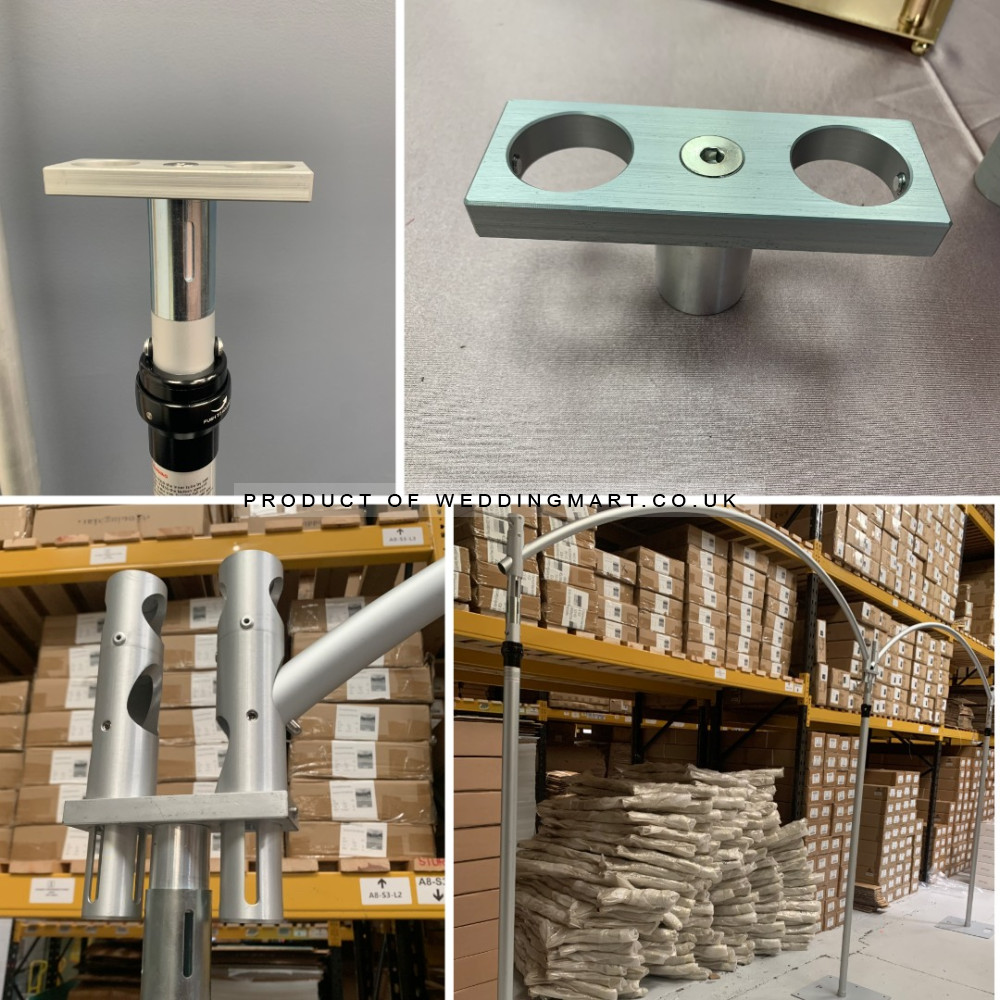
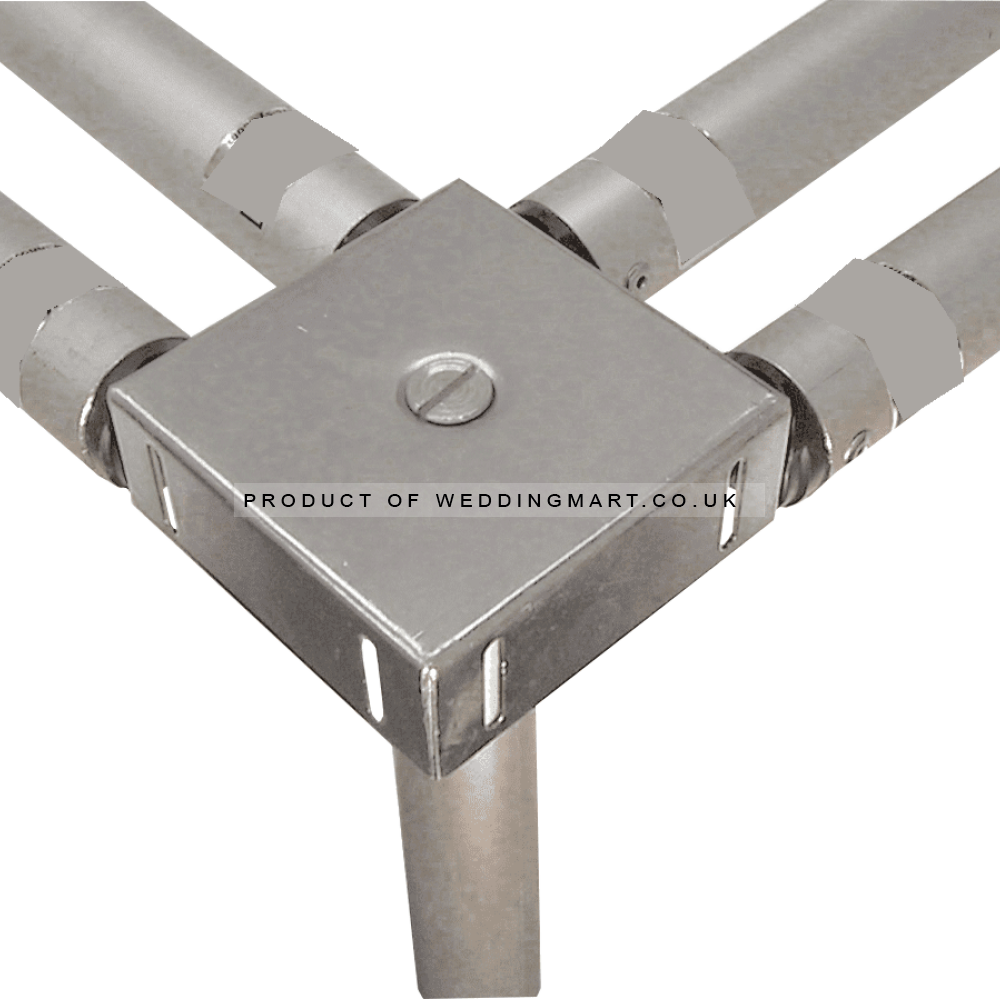
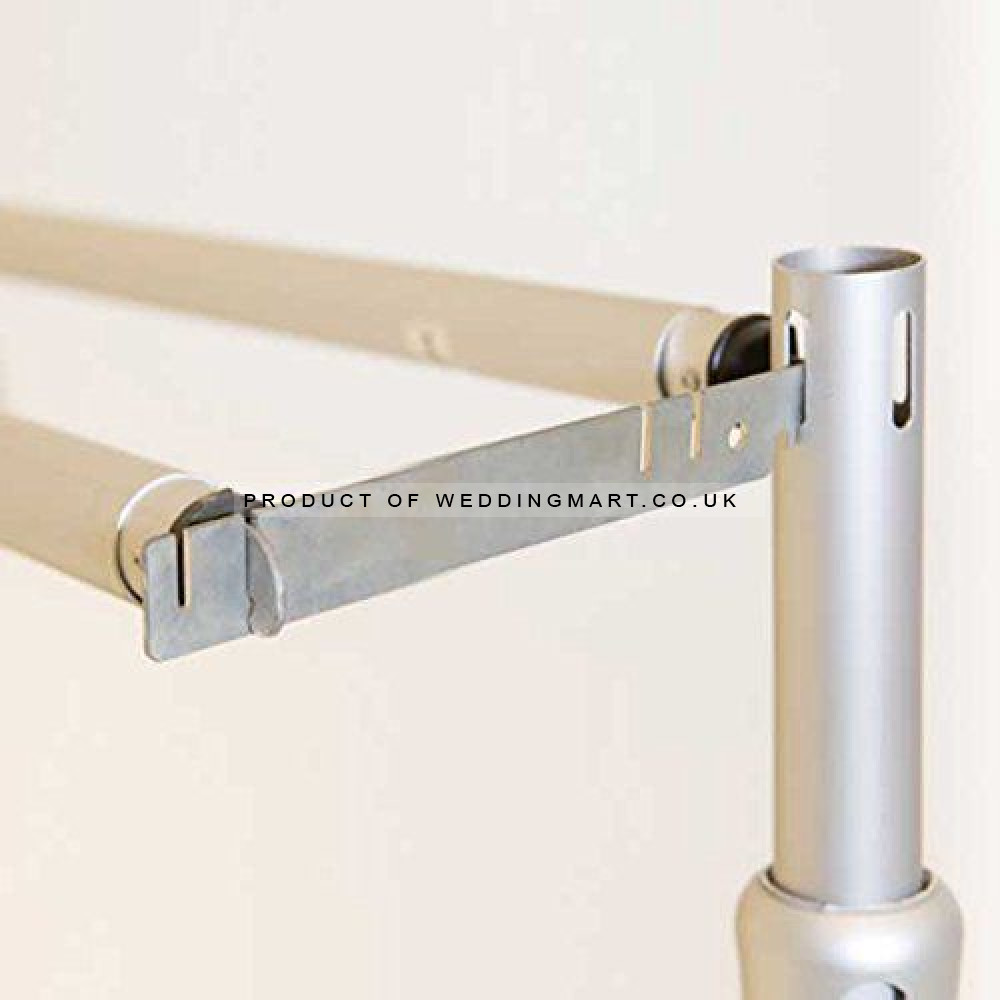
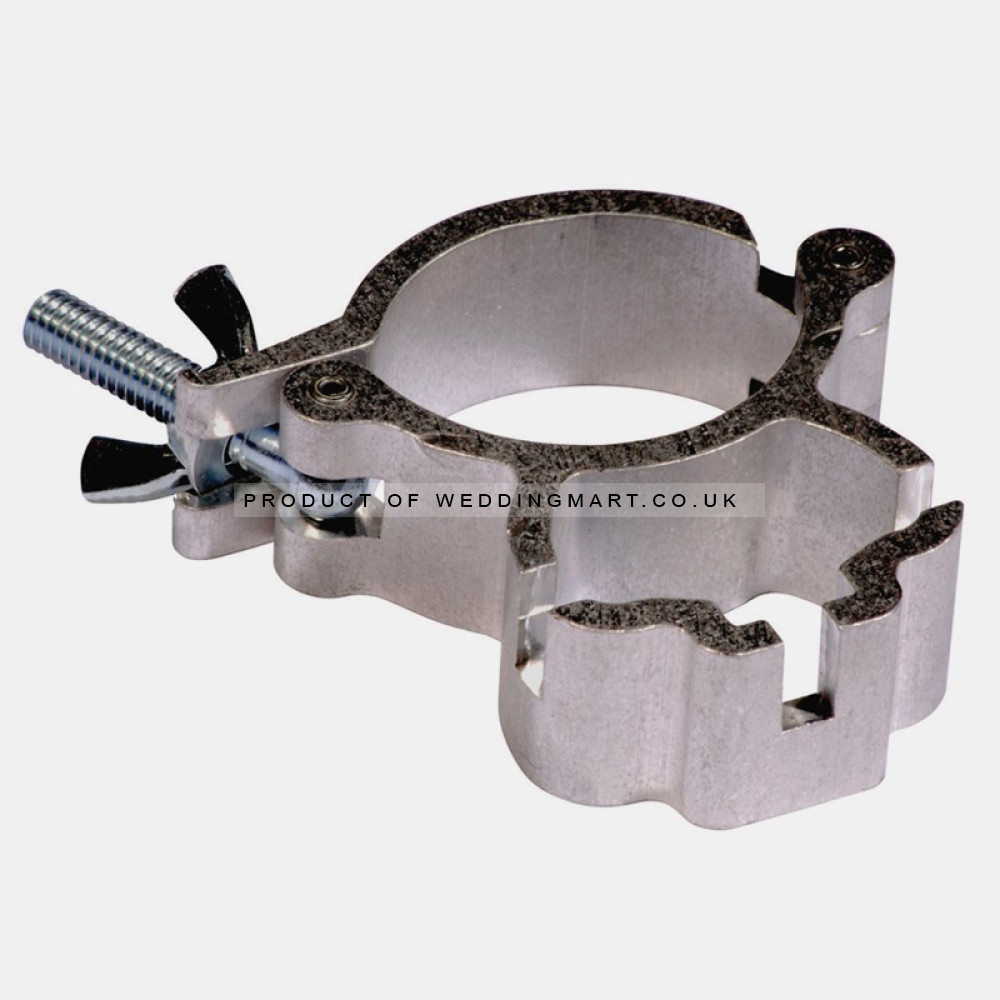
Connectors and fittings are used to join or adapt pipe and drape components, ensuring secure connections between uprights, crossbars, and bases. Correct fitting selection supports stability and consistent installation results.
Weights and Stability Accessories
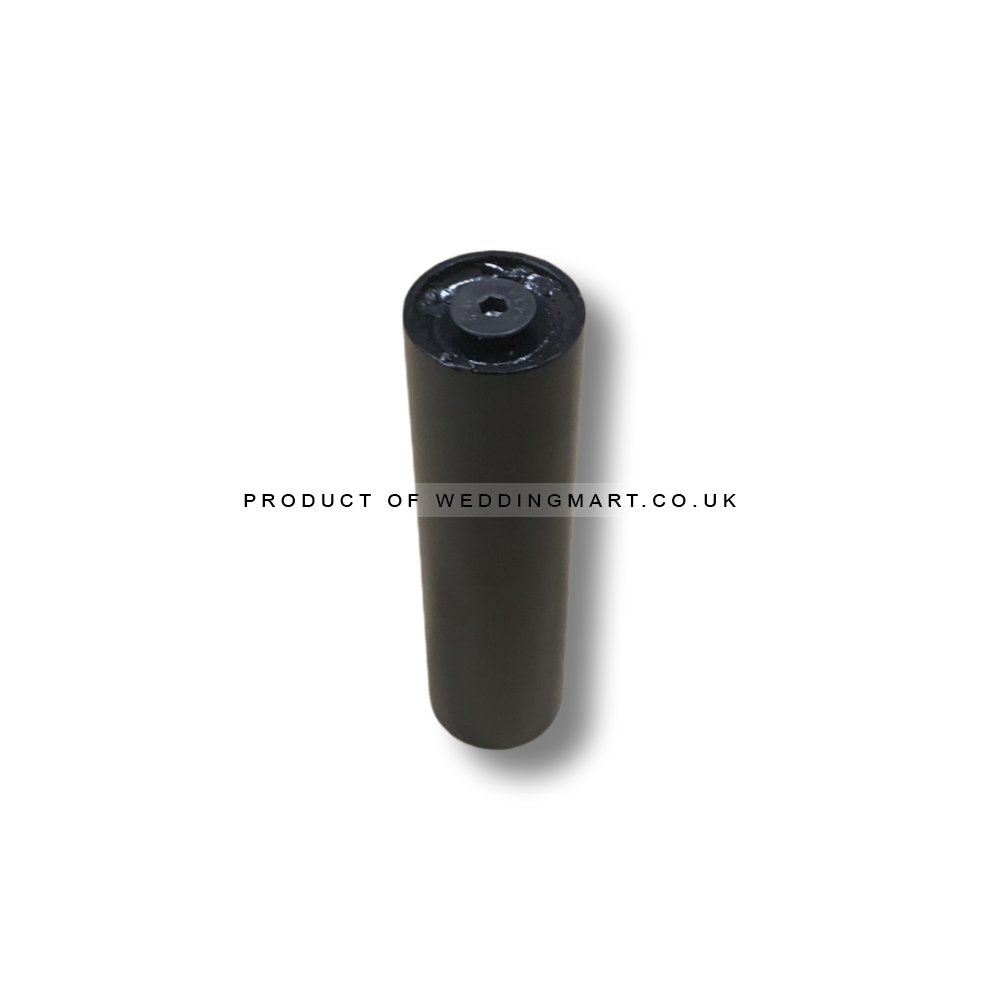
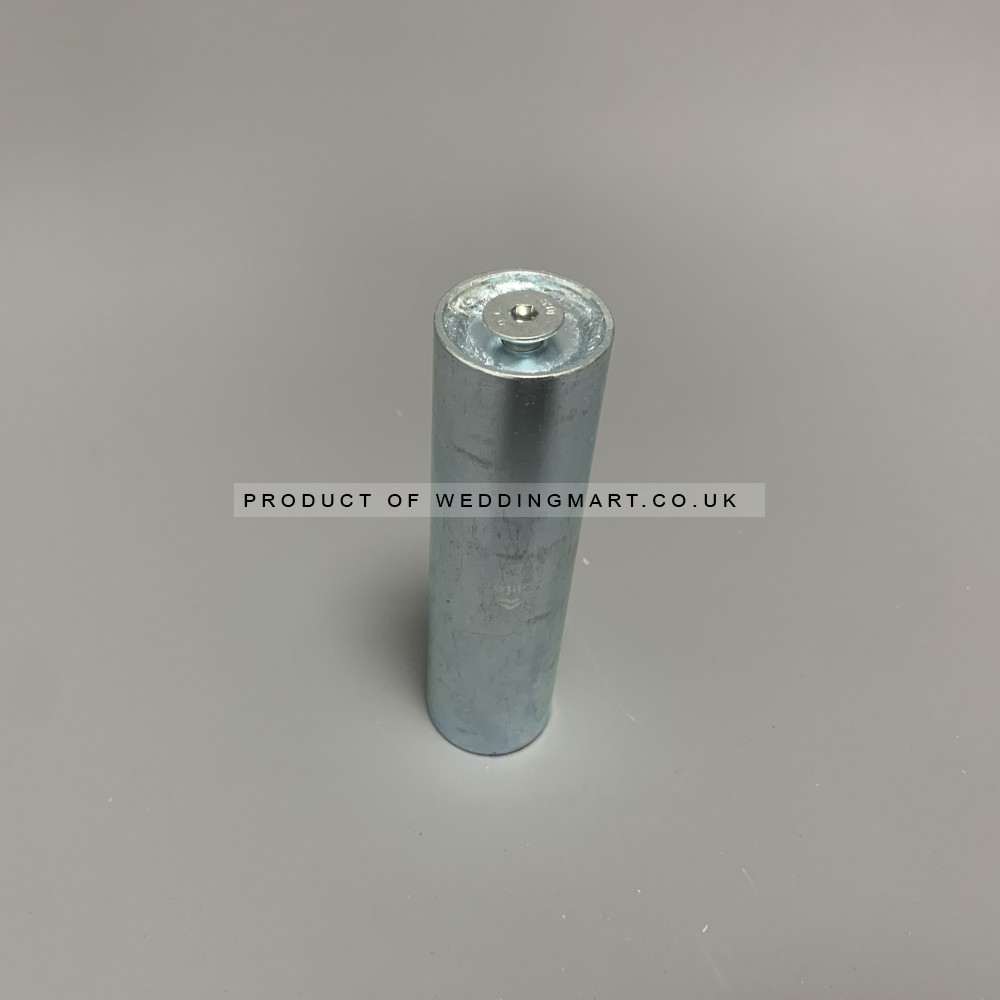
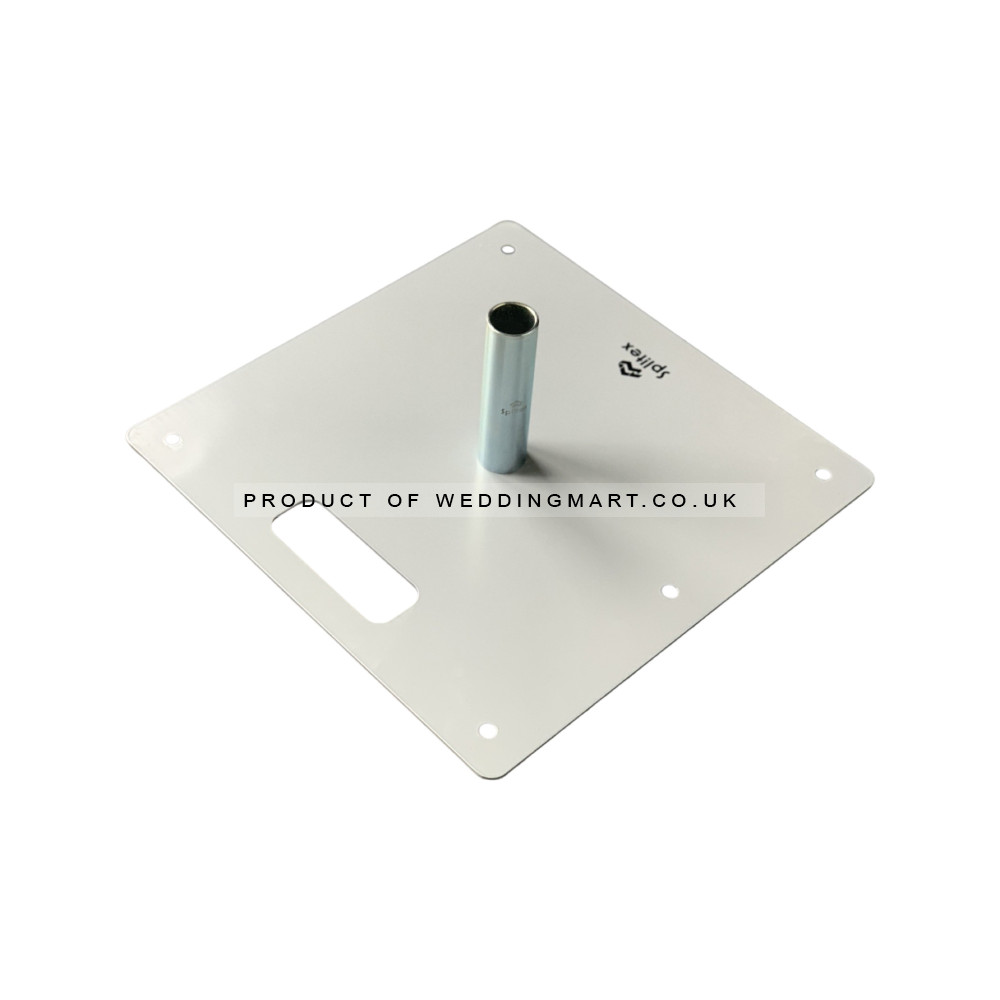
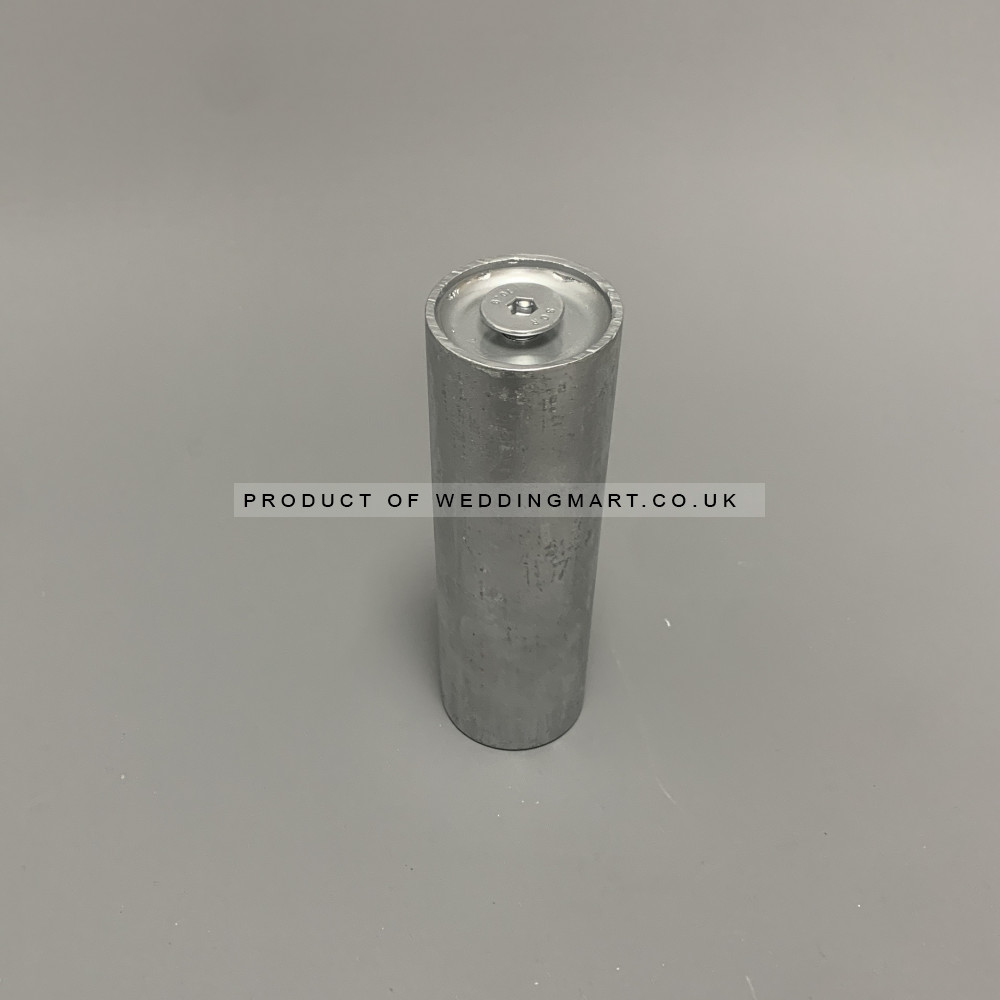
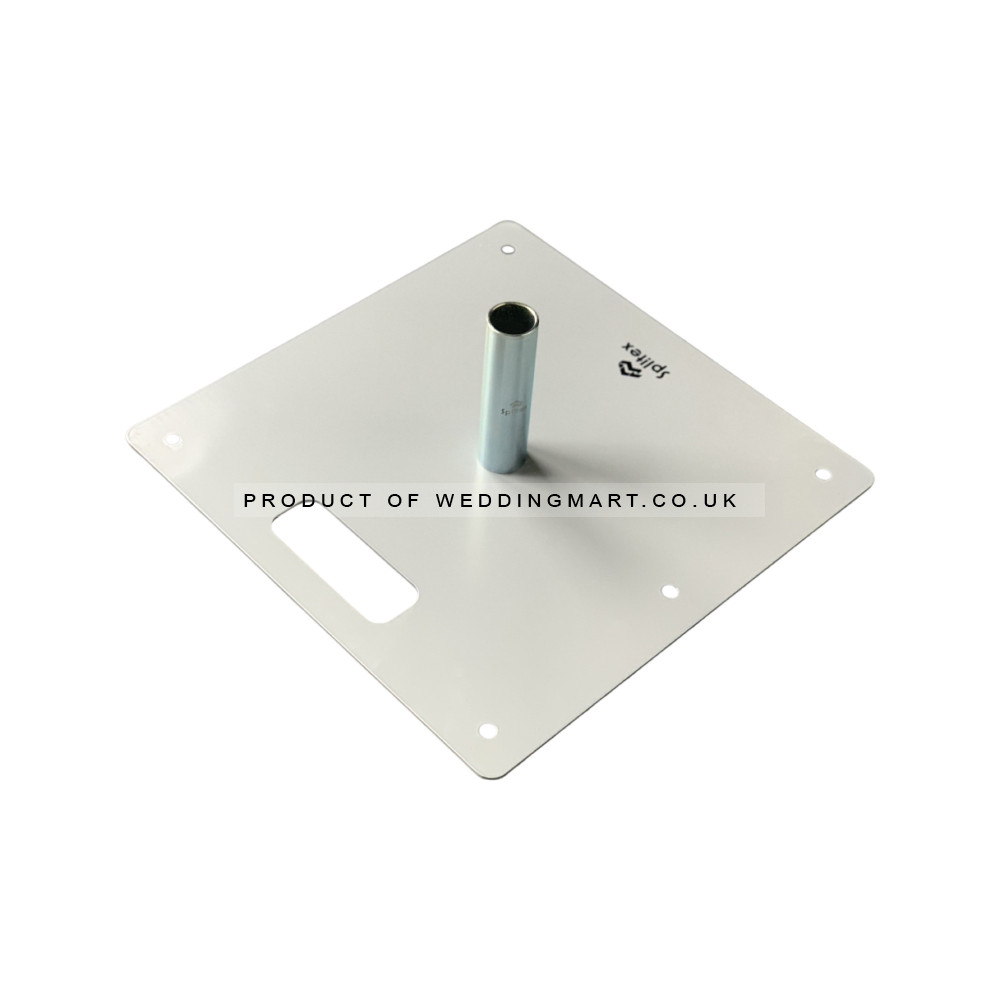
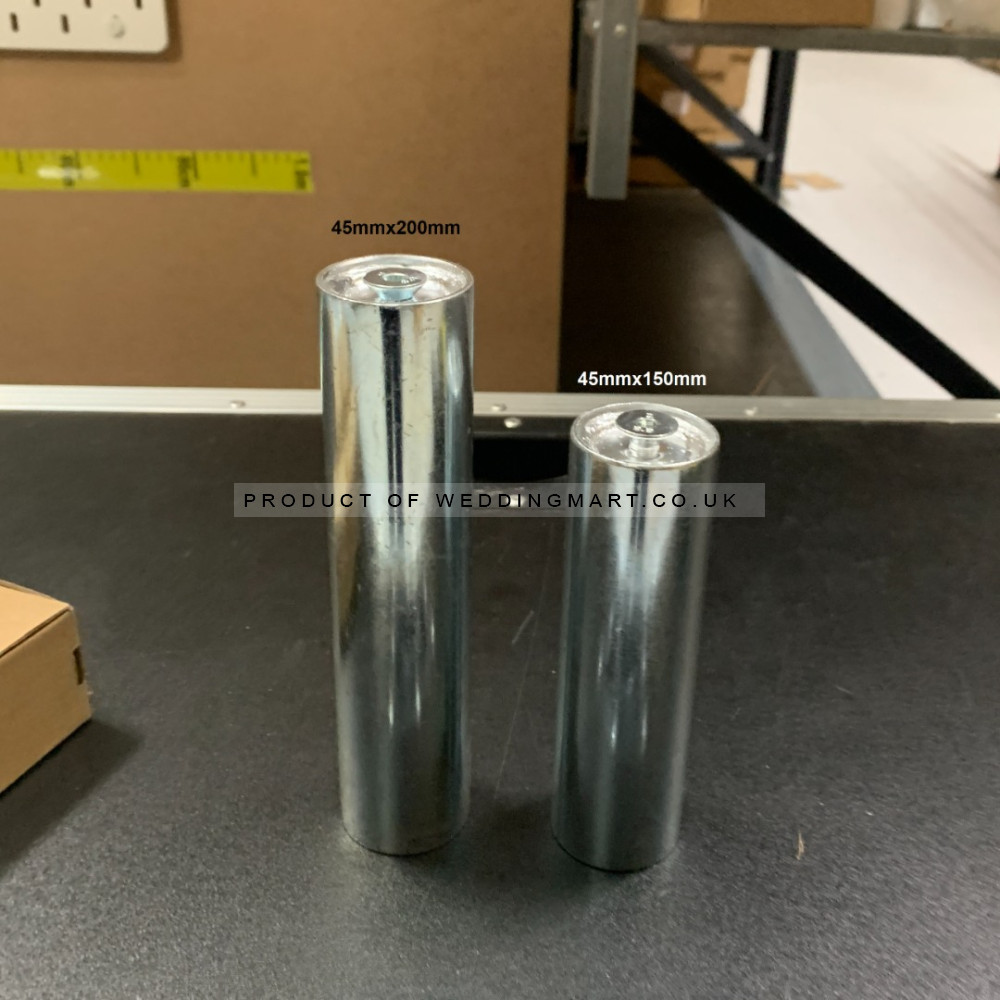
Additional weights and stabilising accessories may be used where extra support is required, such as freestanding installations or extended drape runs.
Transport and Storage Accessories
Carry bags, storage bags, and trolleys are used to protect pipe and drape components during transport and storage. These accessories are particularly important for hire companies managing frequent setup and breakdown.
Designed for Professional Hire and Venue Use
Accessories are designed for durability and repeated handling. They help extend the service life of core components and improve operational efficiency for professional users.
Compatibility Within Pipe & Drape Systems
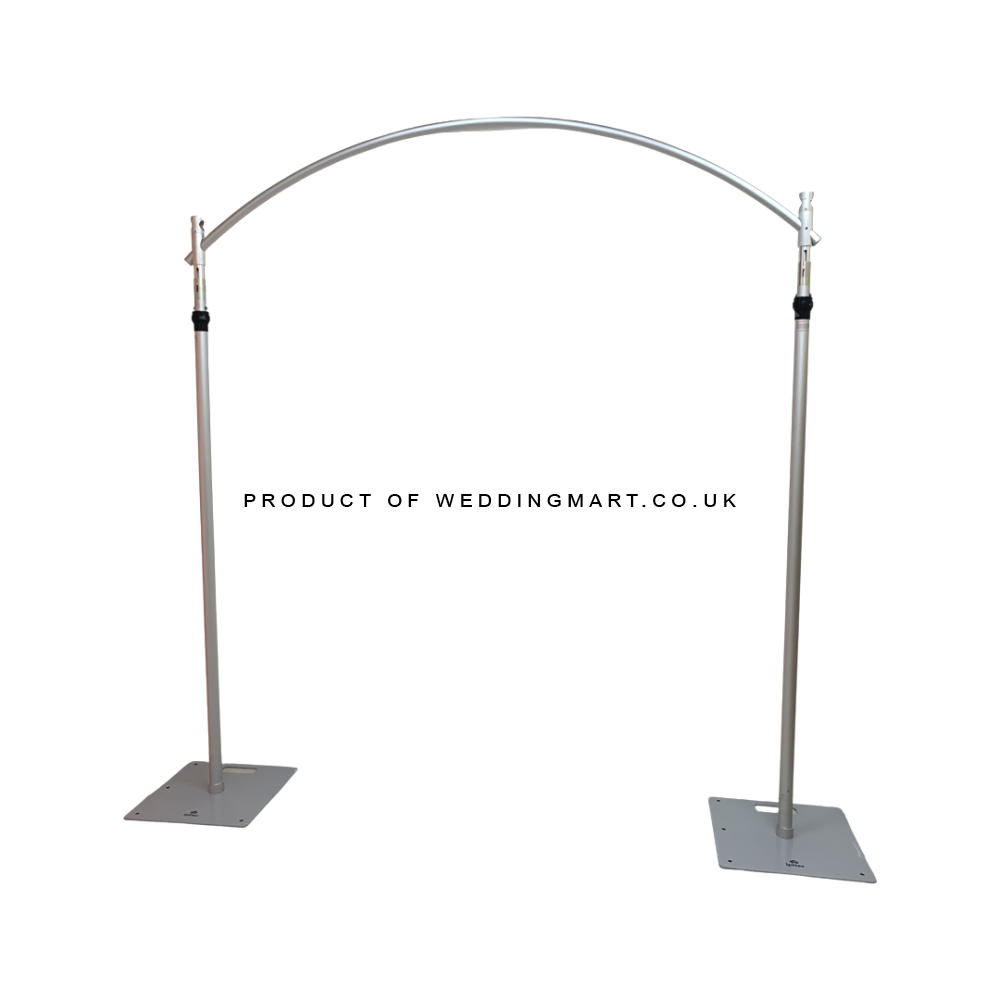
Pipe and drape accessories are compatible with uprights, crossbars, and base plates, allowing systems to be expanded, stabilised, or adapted as installation requirements change.
Choosing the Right Pipe and Drape Accessories
When selecting accessories, considerations typically include compatibility with existing components, transport requirements, and the level of stability required for the installation.
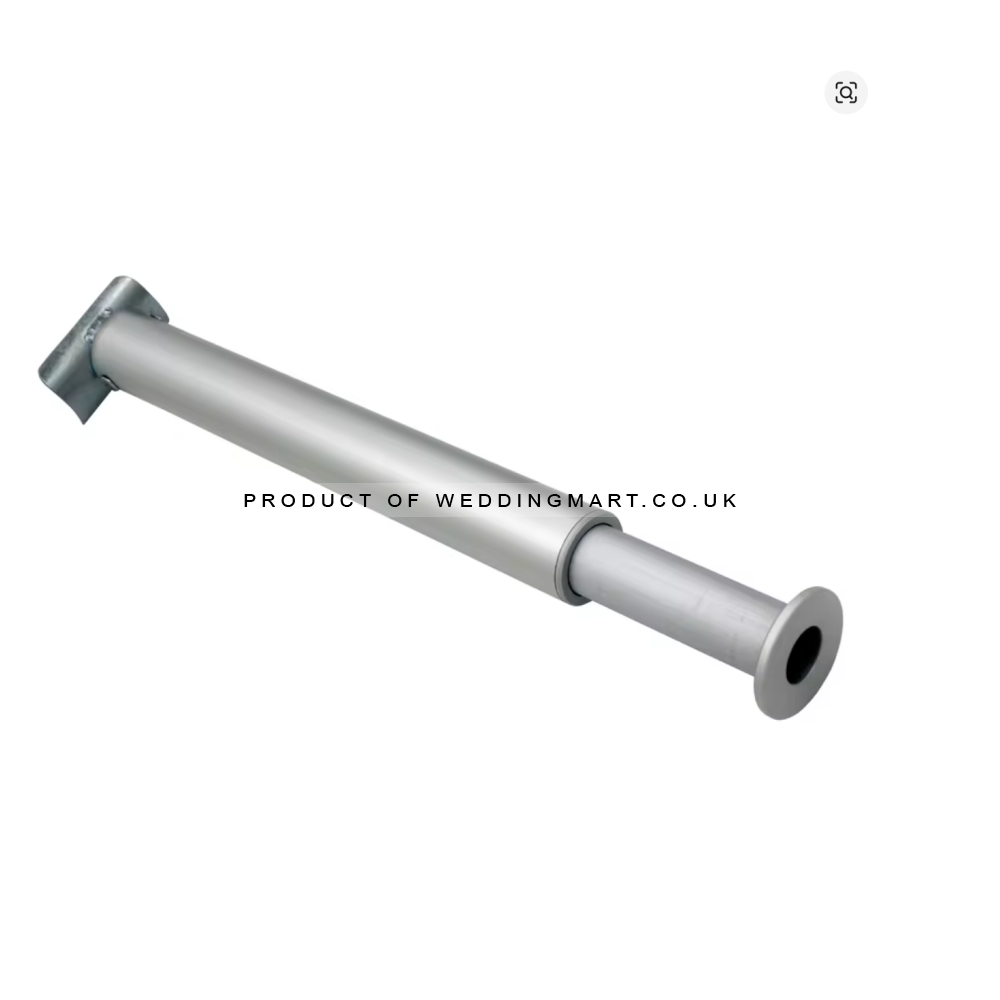

-0-1-1000x1000h.jpg "Set of 4 Castor Wheels for Base Plate")
-0-1-1000x1000h.jpg "Set of 4 Castor Wheels for Base Plate")





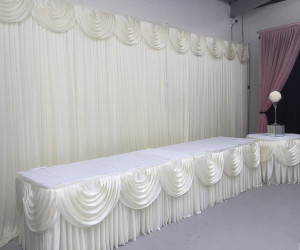




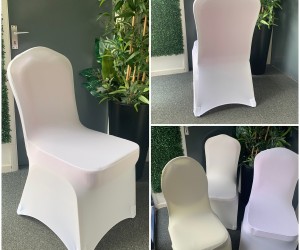
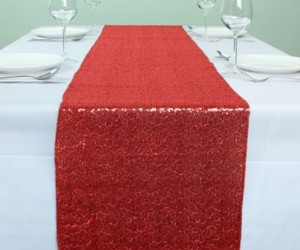
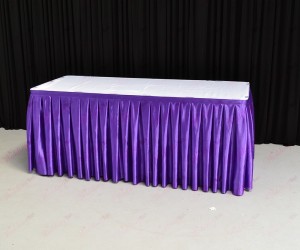
-300x250h.jpg "Banquet Table Linens")